
Traditional Braces
Traditional braces remain one of the most effective and reliable orthodontic treatments available. Using a system of brackets bonded to your teeth and connected by archwires, braces apply consistent, controlled pressure to move teeth into proper alignment. Modern braces are smaller, more comfortable, and more discreet than ever — and they can correct a wider range of bite issues than any other orthodontic option.
How It Works
Comprehensive Orthodontic Assessment
Dr. Ray Basi evaluates your teeth, bite, and jaw using clinical examination, digital photos, and x-rays to map your current alignment and identify all issues to be corrected.
Treatment Planning & Records
A full set of orthodontic records — including digital scans or impressions — is taken to design your personalized treatment plan, including estimated timeline and total tooth movement required.
Bracket Placement
Brackets are bonded directly to the front surface of each tooth using a dental adhesive. An archwire is then threaded through the brackets and secured with small elastic ties or clips. The process is comfortable and takes about 1–2 hours.
Regular Adjustment Appointments
Every 6–8 weeks you return for a brief adjustment — we change or tighten the archwire to continue moving teeth progressively toward their target positions. Each appointment is quick.
Debonding & Final Polish
Once your teeth reach their ideal alignment, brackets are gently removed and a thorough polish removes any adhesive residue. You'll see your new smile for the first time — often a very satisfying moment.
Retention Phase
A custom retainer is made and fitted immediately after debonding. Wearing your retainer as directed is critical — teeth naturally drift back without it, and your retainer protects the results you worked for.
Benefits of Traditional Braces
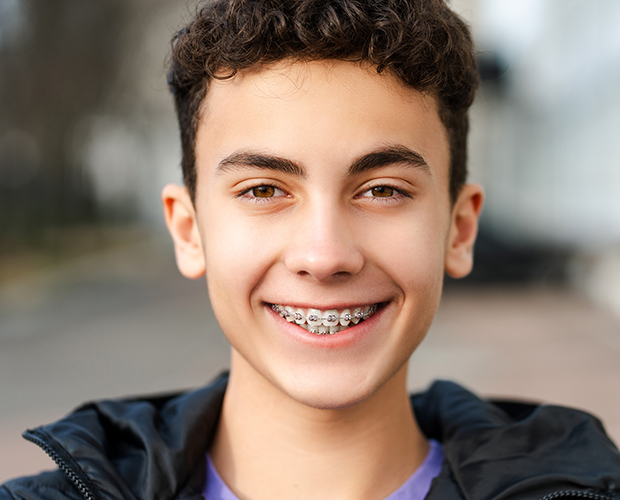
- Treats the full range of bite and alignment problems
- Highly precise — proven effective over decades of use
- No willpower required — brackets work continuously
- Available in metal or tooth-coloured ceramic brackets
- Often more cost-effective than clear aligner alternatives
- Suitable for children, teens, and adults
Ready to Get Started?
Schedule a consultation with Dr. Ray Basi and take the first step toward a healthier, more confident smile.
Book a ConsultationOr call 780-540-0124Traditional Braces FAQs
Q.Do braces hurt?
Placement is not painful. After each adjustment, mild soreness for 2–4 days is common as teeth respond to new pressure — over-the-counter pain relief and soft foods help. Most patients adapt quickly and find the process very manageable.
Q.Can I choose the colour of my elastics?
Yes. The elastic ties that secure the wire to brackets come in dozens of colours — many patients, especially children and teens, enjoy changing them at each appointment.
Q.What can't I eat with braces?
Avoid hard, crunchy, or sticky foods that can break brackets or get lodged in wires — popcorn, hard candy, gum, and whole apples are common culprits. Softer versions of most foods are fine.
Q.How do I clean my teeth with braces?
Careful brushing after every meal and daily flossing (using floss threaders or a water flosser) are essential. We'll show you the technique at your bonding appointment. Keeping teeth clean during treatment protects against cavities and staining.
Q.Are ceramic braces an option?
Yes. Ceramic brackets are tooth-coloured and far less visible than metal. They work identically to metal braces and are a popular choice for adults and older teens who want a subtler look.
Q.What happens if I don't wear my retainer after treatment?
Without a retainer, teeth will gradually drift back toward their original positions. This can happen quickly in the first year and continues slowly over time. Wearing your retainer — initially full-time, then nightly — is the only way to protect your results.

Your Best Smile
Starts Today
Whether it's a routine visit or a complete transformation, we're here to help. Book your appointment and experience the 124 Street Dental difference.